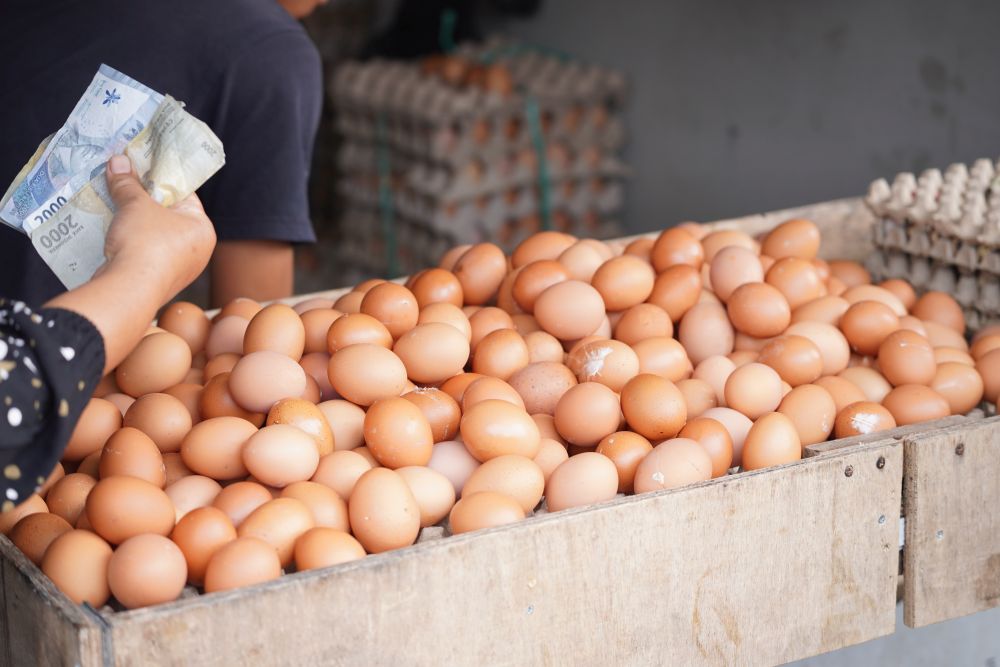
Chicken Egg Suppliers: Distribution, Pricing, and Freshness Tips
Consider, for a moment, what it actually takes to get an egg from a laying hen to a commercial kitchen in Singapore. The logistics alone are remarkable: the average chicken egg supplier manages this transfer thousands of times each day, across distances that span borders, through temperature-controlled vehicles, and into the hands of buyers who expect every tray to arrive intact, fresh, and priced within a predictable range. When the system works, nobody notices. When it does not, everyone does.
How Distribution Actually Works
The distribution network behind a modern egg supplier is not a simple chain. It is a web, and understanding its structure helps buyers make better decisions about who to trust with their supply needs.
Eggs typically move through the following stages before reaching their end destination:
- Laying farms collect eggs multiple times daily to reduce breakage and bacterial risk
- Eggs are transported in temperature-controlled vehicles to central grading and packing facilities
- At packing facilities, automated machines sort eggs by weight and use candling technology to detect internal defects
- Graded eggs are stored in cold rooms before being loaded for distribution
- Refrigerated delivery vehicles carry consignments to wholesalers, retailers, and food service clients
What makes this distribution model fragile is the number of handoffs involved. Each transfer point is an opportunity for temperature abuse, physical damage, or documentation failure. A reputable chicken egg supplier monitors these transitions systematically, often with temperature logging devices placed inside delivery vehicles and storage facilities. Buyers who have never asked to see these records might consider doing so.
The Pricing Puzzle
Egg pricing is misunderstood by a surprising number of buyers, particularly those new to food procurement. The assumption is that eggs are a commodity, and that prices should remain stable. In practice, egg prices are responsive to a wide range of variables that have nothing to do with local demand.
Feed costs, particularly for maize and soybean meal, account for the largest share of a laying hen’s production cost. When global grain markets shift, egg prices follow, often within weeks. Disease events such as avian influenza can reduce flock sizes dramatically, tightening supply and pushing prices upward across entire regions. Fuel costs affect transport charges. Exchange rates affect the cost of imported eggs, which make up the majority of Singapore’s supply.
A Singapore-based food distributor observed: “Buyers who benchmark our prices against a figure from two years ago are not comparing like with like. The cost structure has changed at every level of the supply chain.”
Understanding this context does not make price increases easier to absorb. But it does allow buyers to distinguish between a supplier exploiting market conditions and one genuinely passing through unavoidable cost increases. The difference matters when deciding whether a long-term supplier relationship is worth maintaining through a difficult pricing period.
Freshness: What the Labels Tell You and What They Do Not
Freshness is where consumer instinct and supply chain reality most frequently diverge. Many buyers assume that the egg they purchase was laid within the past few days. The actual timeline can be considerably longer, and understanding it changes how buyers should approach stock management.
Here is what freshness-related labelling typically indicates for buyers working with a chicken egg supplier in Singapore:
Packing date
- The date the egg was graded, cleaned, and placed in its carton or tray. This is not the laying date
Best before date
- Usually calculated from the packing date, typically 28 to 30 days for refrigerated eggs
Country of origin
- Eggs imported from Malaysia may have spent one to three days in transit before packing in Singapore; those from further afield can involve longer journeys
This is not a cause for alarm. Properly refrigerated eggs remain safe and nutritionally stable well within their best before period. The issue arises when cold chain integrity is compromised during distribution, causing accelerated deterioration that the label cannot reflect.
Practical freshness tips for buyers receiving stock from an egg supplier include:
- Inspect deliveries immediately upon arrival, checking for cracks, unusual odours, and any sign of temperature abuse
- Use the float test selectively for quality checks: fresh eggs sink in water, while older eggs tilt or float due to the expanding air cell inside
- Rotate stock meticulously, placing newer deliveries behind existing inventory
- Store eggs away from strong-smelling foods, as eggshells are porous and can absorb odours
- Maintain storage temperatures consistently between 7 and 13 degrees Celsius
What Singapore’s Supply Chain Reveals
Singapore is a useful case study in the vulnerabilities of egg distribution at a national scale. The country imports over 70 per cent of its eggs, a figure that concentrates supply risk in ways that periodically become visible during regional disruptions.
When Malaysia introduced temporary export restrictions in 2022, the effects were immediate and tangible. Shelves in supermarkets thinned. Prices climbed. Food businesses that had relied on a single supplier of chicken eggs found themselves scrambling. Those with diversified sourcing arrangements fared considerably better.
As one Singapore food industry observer noted at the time: “The disruption revealed something important. Supply chain resilience is not a luxury. It is a basic operating requirement.”
The lesson for buyers is clear. Diversification of sourcing, regular communication with suppliers about contingency plans, and an understanding of where eggs actually come from before they reach your kitchen are not administrative niceties. They are the foundation of a stable operation.
The businesses that manage their egg supply most effectively are the ones that have invested in understanding it, and in building relationships with the right chicken egg supplier before a crisis makes the choice urgent.